Request for Proposal ListingsBYU Electrical & Computer Engineering Capstone Program (2026–2027)
BYU Electrical & Computer Engineering Capstone Program (2026–2027)

Brigham Young University (BYU)
BYU Electrical & Computer Engineering Capstone Program (2026–2027)
09/03/2026 to 04/15/2027
Brady DaviesCollaboration Overview
About Students
- Digital and analog circuit design
- Embedded systems and firmware
- Signal processing and filtering
- Microcontroller and FPGA programming
- PCB layout and fabrication
- Control systems and sensor integration
- Wireless communication protocols
- Software development in C/C++, Python, and MATLAB
About Program Goals
- Define engineering requirements from a sponsor-defined problem statement
- Design, simulate, and implement circuit- or system-level solutions
- Integrate hardware and software into functional prototypes
- Perform validation through measurement, simulation, and debugging
- Communicate designs through schematics, code documentation, and final reports
- Develop readiness for careers in electrical, computer, and systems engineering roles
About the Collaboration Format
- Solve real production, tooling, process, or quality challenges using engineering best practices
- Unlock cost savings, productivity gains, or throughput improvements
- Gain access to BYU’s engineering design and prototyping facilities
- Engage with a dedicated team of talented, job-ready engineers
- Present your company at BYU’s Capstone Design Fair for visibility and recruiting
- Receive professional-grade deliverables, including root cause analysis, 3D models, simulations, and SOPs
Benefits for Industry Partners
- Tackle engineering challenges cost-effectively
- Explore new product ideas without internal capacity strain
- Leverage students’ creativity and fresh perspective
- Evaluate potential future hires over an 8-month collaboration
- Strengthen your university recruiting pipeline
- Prototypes
- CAD models, documentation, and test results
- Manufacturing simulations or process maps
- PCB layouts, embedded systems, or firmware
- Security assessments, penetration tests, and risk analyses
- Full technical reports
- Final presentation at Capstone Design Fair
- Visibility at the Annual BYU Capstone Design Fair
- Opportunities to highlight your organization’s innovation work
- University-wide recognition
Program Details
Students Include: Bachelor Degree
Students Enrolled: Students Enrolled
Program Duration: 32 weeks
Program Launch Date: 09/03/26
Program End Date: 04/15/27
Student Commitment: 8-13 Hours hrs/week
Course Format: Capstone, Multiple Projects Multiple Teams
Modality: Fully Remote
# of Projects: 50
View All Program DetailsProject Requirements
| Industry Partner Requirements | |
|---|---|
| Project Topics | Artificial Intelligence & Machine Learning Cybersecurity Data Management Electrical Engineering Information Technology (IT) Innovation Operations Product Design & Development Quality Control Research & Development Research, Analysis, Evaluation Software Design & Development Strategic Planning UX/UI & Human-Centered Design |
| Location Preferences |
Located Anywhere |
| Compensation |
|
| Sponsorship |
Sponsorship Requested (Mandatory): |
| Other Requirements | Sponsorship Fee: $22,000 per project (Covers faculty support, materials, software licensing, and lab access) Sponsors retain ownership of IP and deliverables Projects must include a technical challenge in design, implementation, or validation of ECE systems Sponsor must assign a technical point of contact Final deliverables include:
|
| Project Management Time Commitment | 2 Hours per week |
| Interested Industries | Aerospace & Defense Agriculture & Farming Arts & Recreation Biotech & Pharmaceuticals Computers & Hardware Construction, Repair & Maitenance Consulting & Professional Services Consumer Products & Services Education & Ed-Tech Energy & Utilities Fashion & Apparel Finance & Investment Food & Beverage Government Health Care & Life Sciences Insurance Manufacturing & Industrial Media, Publishing & Content Natural Resources Non-Profit & Social Impact Public Works Real Estate Restaurants, Hospitality & Food Service Retail & E-Commerce Semiconductor Software, AI & Data Sports & Entertainment Sustainability & Climate Telecommunications Transportation & Logistics Travel & Tourism |
Skills & Expertise
Analog Signal Processing C Programming C++ Programming Circuit Design Control Systems Data Acquisition Digital Logic Embedded Systems Engineering Communication FPGA Design LabVIEW MATLAB Microcontroller Programming PCB Fabrication PCB Layout Power Electronics Project Management Python Schematic Capture Sensor Integration Simulation Tools Simulink System Modeling Technical Documentation Testing and Debugging Wireless Communication| Key Program Dates | Due Date |
|---|---|
|
Projects Finalized
|
Aug 01 2025 |
|
Student Teams Finalized
|
Aug 22 2025 |
|
Application Deadline
|
Jul 20 2026 |
|
Projects Launch
|
Sep 04 2026 |
* We’ve got some inspirational project ideas below! These are related project topics that you can mix and match the components for the best cross-functional project experience possible.
Artificial Intelligence & Machine Learning
Cybersecurity
Data Management
Electrical Engineering
Information Technology (IT)
Innovation
Operations
Product Design & Development
Quality Control
Research & Development
Research, Analysis, Evaluation
Software Design & Development
Strategic Planning
UX/UI & Human-Centered Design
| Program Overview | ||
|---|---|---|
| Program Title | BYU Electrical & Computer Engineering Capstone Program (2026–2027) | |
| Organization | Brigham Young University (BYU) | |
| # of Students Enrolled |
0
|
|
| # of Projects Running |
0 Project/s Added (of 50 Projects Expected)
|
|
|
Program Timeline Project Duration |
Start Date: 09/03/26 End Date: 04/15/27 7 months |
|
| Collaboration Overview | ||
|---|---|---|
| About Students |
These students are in the final year of their Electrical or Computer Engineering bachelor’s degree at BYU. They bring hands-on experience with:
Each team operates within a project-based learning environment, applying engineering principles in a structured design process guided by experienced faculty.
Student Level: Bachelor Degree Student Time Commitment: Full Time Team Structure: 5 - 7 |
|
| Program Goals | Capstone students will:
|
|
| Format Structure |
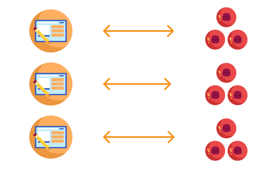
Multiple Projects Multiple Teams |
|
| Format Title | Capstone | |
| Format Description | The Manufacturing Track of the BYU Mechanical Engineering Capstone Program offers organizations the opportunity to collaborate with a senior engineering team on real-world challenges focused on production systems, factory layout, automation, quality control, and cost reduction. This is a hands-on, year-long consulting engagement that results in tangible process improvements, documentation, and implementation-ready recommendations. Projects are supported by both faculty advisors and experienced industry coaches.
Benefits to Sponsors:
|
|
| Benefits For Industry Partners |
Innovation & Problem Solving
Access to BYU Engineering Talent
Professional Deliverables (depending on track)
Brand Exposure
|
|
| Project Modality | Fully Remote | |
| Industry Partner Requirements to Participate | ||
|---|---|---|
| Project Topics | Artificial Intelligence & Machine Learning Cybersecurity Data Management Electrical Engineering Information Technology (IT) Innovation Operations Product Design & Development Quality Control Research & Development Research, Analysis, Evaluation Software Design & Development Strategic Planning UX/UI & Human-Centered Design | |
| Target Industries | Aerospace & Defense Agriculture & Farming Arts & Recreation Biotech & Pharmaceuticals Computers & Hardware Construction, Repair & Maitenance Consulting & Professional Services Consumer Products & Services Education & Ed-Tech Energy & Utilities Fashion & Apparel Finance & Investment Food & Beverage Government Health Care & Life Sciences Insurance Manufacturing & Industrial Media, Publishing & Content Natural Resources Non-Profit & Social Impact Public Works Real Estate Restaurants, Hospitality & Food Service Retail & E-Commerce Semiconductor Software, AI & Data Sports & Entertainment Sustainability & Climate Telecommunications Transportation & Logistics Travel & Tourism | |
| Skills & Expertise | Analog Signal Processing C Programming C++ Programming Circuit Design Control Systems Data Acquisition Digital Logic Embedded Systems Engineering Communication FPGA Design LabVIEW MATLAB Microcontroller Programming PCB Fabrication PCB Layout Power Electronics Project Management Python Schematic Capture Sensor Integration Simulation Tools Simulink System Modeling Technical Documentation Testing and Debugging Wireless Communication | |
| Location Information & Preferences |
Located Anywhere
|
|
| Sponsorship |
Sponsorship Requested (Mandatory): |
|
| Compensation |
No Compensation Required |
|
| Other Requirements | Sponsorship Fee: $22,000 per project (Covers faculty support, materials, software licensing, and lab access) Sponsors retain ownership of IP and deliverables Projects must include a technical challenge in design, implementation, or validation of ECE systems Sponsor must assign a technical point of contact Final deliverables include:
|
|
| Expected Time Commitment For Project Managers | 2 Hours per week | |
| Key Program Dates | Due Date |
|---|---|
|
Projects Finalized
|
Aug 01 2025 |
|
Student Teams Finalized
|
Aug 22 2025 |
|
Application Deadline
|
Jul 20 2026 |
|
Projects Launch
|
Sep 04 2026 |

Brady Davies
View ProfileResources
| Links & Documents |
|---|
| Engineering Capstone Program @ BYU (More Info) |
| Sample Projects (2024-2025) |
| More Past Projects & Examples |
Projects
| Project | Organization | Topics |
|---|